Weather in Nepal
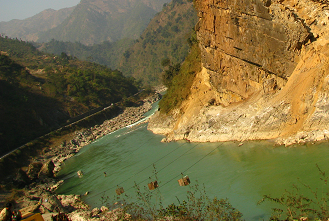
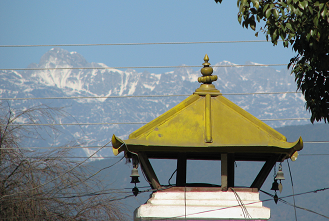
February & March in Kathmandu & ChitwanNepal is a coutry between Himalayan mountains chain and Indian plato. It has more variety of climates than you would expect: from tropical in Chitwan, subtropical, temperate, subalpine, alpine, to trans-Himalayan. This variety offers you a fresh papayas growing there in February in lowlands, while picks of the mountains on the horizon are covered with snow.
Kathmandu Valley
In February/March Kathmandu Valley is a warm and dry. Rain can happen only as short showers. Sun shines for 6-8 hours, day tempreture average 21oC. Kathmandu is on 1300m above sea level, do you may feel the freshness of mountains flavour in the air;). Air pressure is little bit high, it translates into good mood and feeling energetically there:) It is subtropical climate, with dry spring and monsoon in summer. Banana trees and bugenvilla grows all around there.
Chitwan
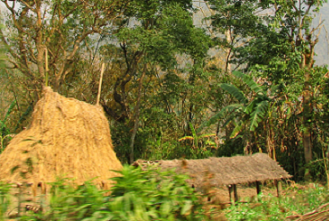
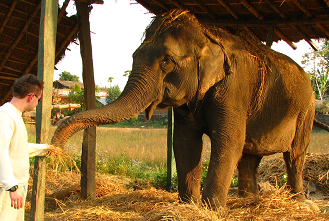
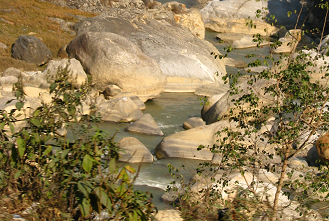
As the Terai part of Nepal is subtropical - can be already hot by February, with temperatures getting as high as 25 - 15oC. For late evenings and nights exploration - it's recomended to have extra pullover as tempreture drops after sunset suddenly.
Pokhara has humid subtropical climate. In spring sky is clear, great visibility for enjoying view on Himalayan mountains, with best view at morning from Sarangkot summit. Similar to european May-June weather. Some people enjoy taking a bath in Phewa lake, some do sky-diving from Sarakgot down to the lake:)
Clothes
Warm and waterproof jacket, comfortable shoes, small backpack, t-shirts and shorts as during days it may be up to 20- 25oC, for nights warmer clothes/sleeping bag at tempreture goes down to 15oC.
The chain of mountains and subtropical lowlands together make the experience of climates in day and night quite different. Be ready for warm and chill in nearly the same time - as sunrise and sunsets. To enjoy fully Nepale weather, wear t-shirts and carry warm jacket always with you:)
Back to Blog